
Hi makers! Welcome to a new post of the RenderWrench Gear Series. In the previous post of the series, “How Gears Transmit Motion & Power,” we learned how gears share torque and rotational speed. In this post, we will learn how gears are made—starting with the most fundamental part: gear materials.
As a maker, you must have encountered many types of gears. Ever wondered why some gears last for years while others need maintenance very often? Yes, you are right! This happens because of the material used to manufacture the gear and the method used to make it.
A gear’s application heavily depends on its material and manufacturing process. Like you know, you can’t use a toy-car gear inside a real car! Choosing the right material can decide whether your machine will run as it should or not. So, let’s dive deep into the topic.
How to Choose a Gear Material
Before manufacturing, choosing the right gear material is very important. This should be done right after the design process. While designing, we know all the key factors of the gear, like application, rpm, operating environment etc. Now according to that material must be chosen. so that gear life, noise levels, and load-bearing capacity meet the expected requirement. Let’s discuss key factors while choosing gear material.
Load and Torque requirement
Gears are meant to transfer torque we learned from previous post of the series. And constantly undergo dynamic load while operation. Different applications demand different levels of load and torque capacity.
High-torque systems—such as heavy machines, automobiles, and cranes—require strong materials like steel, hardened steel, alloy steels, or carbon steel.
On the other hand, light-duty mechanisms found in watches, toys, and small machines work well with materials like brass, plastic, nylon, or aluminum alloys.
Environment / Working Conditions
Gears can be exposed to harsh operating conditions. Extreme heat to extreme cold, dust, moisture, chemical and what not! So choosing gear materials according to it’s working condition is a very important factor. If the environment is high on chemical or acidic vapour, metal gears must be replaced by the plastic or nylon gears. Because plastics are less reactive to the chemicals and acid than metals. But On the other hand, in environments with extreme heator cold metal gears are ideal for the situation. Plastic gears should be ignored.
Cost vs performance balance
For every engineering project, budget is a big factor. As makers, we sometimes plan big things for our projects but bonded by budget. Similarly we must Choose gear materials wisely for our projects. Like, while prototyping we use 3d printing that mostly plastic, or if the budget is low nylon or mild steel gears are used as these material is comparatively cheaper than alloy steels or any high end materials. In other hand budget is not and issue performance is the focus like in automotive industry, CNC machines, robots and any precision machinery engineers uses Alloy steels, containing chromium, nickel, molybdenum like metals in specific ratio to provide strength, corrosion resistivity like properties.
Quick decision guide
Here is a quick guide to choosing material for gears.
- Light duty + silent operation – Nylon or POM
- Medium duty + smooth operation – Brass
- High load + High Speed – Alloy Steel
- Extreme strength + Durability – Hardened steel
- Prototyping – 3d printed plastic (ABS, PLA, PETG etc.)
now you know how to choose material for gears according to it’s application. In the next section we will learn about some materials that are commonly used in gear manufacturing.
Common Gear Materials (Properties, Pros. Cons and Uses)
There are lots of materials available in market. But not all are suitable for gears, right? In this section we will cover some commonly used materials for gear manufacturing.
Makers, choosing the right material can make your gear run smooth… or fail in seconds. Let’s explore the most commonly used materials in gear manufacturing and why they’re chosen.
Steel — The Strong Backbone of Gear Industry
If gears had a “muscle champion,” it would be steel. Most industrial gears you see in heavy machines, cars, cranes, or robotics—are made of steel.
Why steel is used:
- Extremely high strength
- Great wear resistance
- Handles shock loads easily
- Can be heat-treated for even more hardness
Common types:
- Mild Steel (general use)
- Alloy Steel (Ni–Cr, Mo–Cr alloys)
- Carbon Steel
- Case-Hardened Steel (extremely tough outer surface)
Best applications:
- Automotive gearboxes
- industrial machines
- high-load
- high-speed systems.
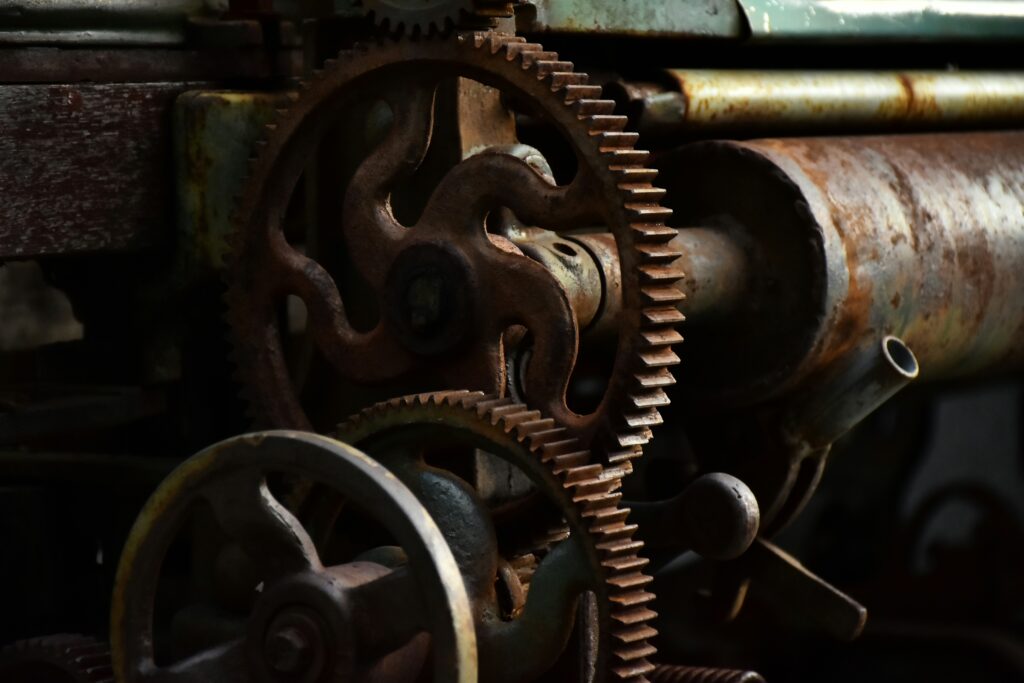
RenderWrench note:
If your project needs power + durability, steel is your best friend.
Cast Iron — The Old but Reliable Workhorse
Cast iron gears may not look fancy, but they deliver great performance—especially in large industrial systems.
Why cast iron works well:
- Excellent damping (absorbs vibration)
- High wear resistance
- Low cost
- Great for large gears
Best applications:
- Big machinery
- Slow-speed gear systems
- Heavy industrial setups
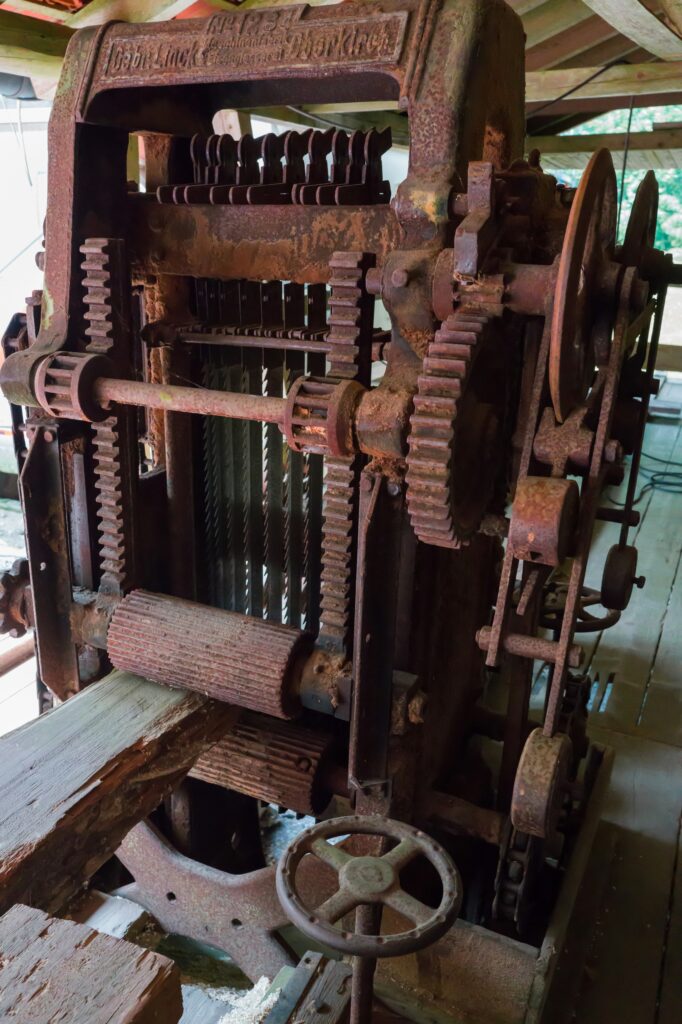
RenderWrench note:
When size increases and cost matters, cast iron becomes a smart choice.
Brass & Bronze — Smooth, Quiet & Resistant
These materials are used when you want precision, quiet operation, and corrosion resistance.
Why brass/bronze gears are loved:
- Very quiet operation
- Low friction
- Rust and corrosion resistant
- Long-lasting for small mechanisms
Best applications:
- Clocks
- Meters
- Instruments
- Marine environments
- Small precision devices
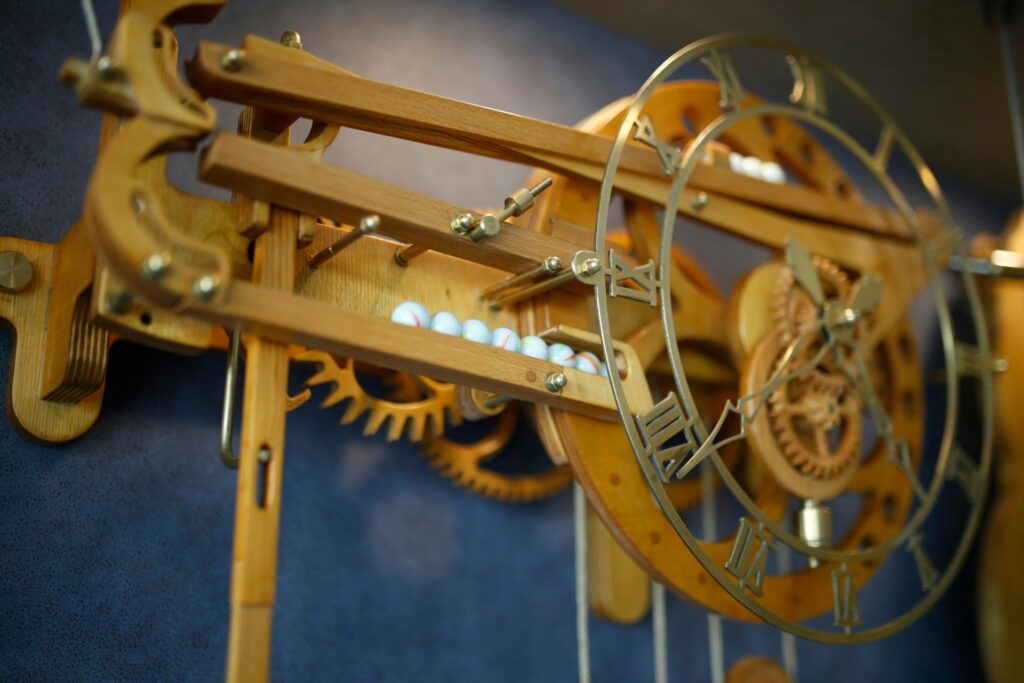
RenderWrench note:
If your project involves smooth motion + silent operation, brass or bronze gears shine the brightest.
Plastics — Lightweight, Cheap & Surprisingly Capable
Plastic gears might look weak, but don’t underestimate them. For low-load applications, they are brilliant.
Common plastic materials:
- Nylon (strong + flexible)
- POM / Delrin (very smooth motion)
- Polycarbonate (impact resistant)
- 3D printed plastics (PLA, PETG, ABS)
Why plastic gears are used:
- Very low noise
- Lightweight
- Low friction
- Cheap and easy to make (especially for mass production)
Best applications:
- Toys
- Printers
- Home appliances
- Robotics prototypes
- Consumer electronics
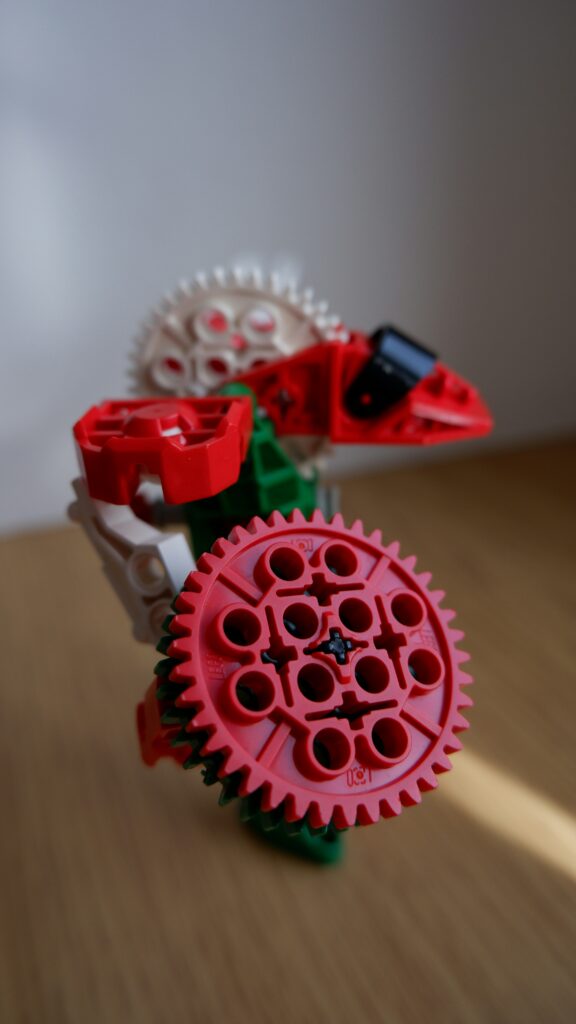
RenderWrench note:
Plastic gears are perfect when your project focuses on low noise, low cost, and lightweight operation.
Advanced Materials — For Makers Who Push Boundaries
Modern gear design is evolving fast. New materials are entering the scene.
Examples:
- Carbon-fiber reinforced nylon
- Glass-filled nylon
- 3D printed SLS nylon (industrial-grade)
- Composite polymers
Why these materials matter:
- High strength-to-weight ratio
- Good for wearable robotics
- Suitable for drones, small robots, and lightweight machinery
- More durable than regular plastics
RenderWrench note:
If you’re designing future-tech or performance machines, composites are worth experimenting with.
Quick Material Comparison Table
| Material | Strength | Noise | Cost | Best Use |
|---|---|---|---|---|
| Steel | ⭐⭐⭐⭐⭐ | Loud | Medium | Automotive, heavy load |
| Cast Iron | ⭐⭐⭐⭐ | Medium | Low | Industrial machines |
| Brass/Bronze | ⭐⭐⭐ | Quiet | High | Precision devices |
| Plastics | ⭐⭐ | Very Quiet | Very Low | Toys, appliances, prototypes |
| Composites | ⭐⭐⭐⭐ | Quiet | Medium–High | Robotics, drones |
Which Material Should You Choose? (Simple Rules)
Here’s your cheat-sheet, makers:
- Heavy load? → Steel
- Large industrial gear? → Cast Iron
- Silent motion? → Plastic or Brass
- Marine use? → Bronze
- Prototyping or testing? → 3D printed gears
- Weight sensitive project? → Composite materials
Choosing the right material isn’t about what looks strongest—it’s about what fits your application. A toy gear can’t run a car, and a car gear doesn’t make sense in a toy.
Right material = longer life, smoother motion, and a reliable machine.
So with that, let’s wrap up this post. I hope you enjoyed learning about the different materials that make gears strong, durable, quiet, or lightweight. Choosing the right material is one of the biggest steps toward designing a reliable mechanism—whether it’s a toy, a robot, or a full engineering project.
But we’re not done yet!
In the next post of the RenderWrench Gear Series, we’ll explore how gears are actually made. From hobbing to casting, forging to 3D printing—you’ll learn the real manufacturing methods behind the gears we use every day. Trust me, it’s going to be a fun and eye-opening one.
So stay tuned, makers. Bookmark this page, and follow RenderWrench on Instagram to get notified whenever the next post arrives.
Until then—keep building, keep learning, and happy making!


Pingback: Complete Gear Guide: Basics to Advanced Concepts Explained Simply (RenderWrench Gear Series) - RenderWrench
Pingback: Gear Manufacturing Methods : How Gears Are Actually Made (RenderWrench Gear Series #5) - RenderWrench